
Leading Through the Noise: Navigating K–12 Leadership in Politically Charged Communities
In today’s educational landscape, school leaders are no longer operating solely as instructional leaders or organizational managers, they are also navigating increasingly complex political environments. Across communities, schools have become focal points for broader societal debates about identity, curriculum, governance, and values. Leading effectively in this context requires more than technical skill; it demands clarity of purpose, emotional intelligence, and an unwavering commitment to students.
The Expanding Role of School Leaders
Superintendents and principals are now expected to respond to issues that extend well beyond the classroom- book challenges, curriculum disputes, public health decisions, and questions around equity and inclusion. These are not merely operational concerns; they are deeply political, often shaped by national discourse but contested at the local level.
The result is a leadership paradox: schools are asked to remain “neutral” spaces while simultaneously being pressured to reflect specific community values. Navigating this tension requires leaders to ground their decisions in a clear moral and educational framework, rather than shifting political winds.
Challenge 1: Competing Narratives of What Schools Should Be
In politically charged communities, stakeholders often hold conflicting beliefs about the purpose of education. For some, schools are centers of academic excellence and workforce preparation. For others, they are spaces for social development, civic engagement, or cultural affirmation.
These differing narratives surface in debates over curriculum, instructional materials, and even pedagogical approaches. Leaders must balance these perspectives while ensuring that decisions remain aligned with research-based practices and the best interests of students.
Leadership Move: Work to anchor decisions in a shared vision. Effective leaders consistently return to a collaboratively developed vision that emphasizes student success, academic growth, and well-being. This helps depersonalize conflict and refocus conversations on common ground.
Challenge 2: Erosion of Trust
Political polarization often erodes trust between schools and their communities. Information is more accessible than ever, though increasingly less reliable. Misinformation spreads quickly, particularly through social media, and isolated incidents can become amplified into systemic critiques.
When trust is low, even well-intentioned decisions are met with skepticism or resistance. Leaders may find themselves defending routine practices or navigating public criticism that feels personal and persistent.
Leadership Move: Overcommunicate with transparency and consistency. Trust is built through clarity, not silence. Proactively sharing the “why” behind decisions, before controversy arises, can reduce misinterpretation and build credibility over time.
Challenge 3: Governance Tensions
School boards, intended to provide governance and community representation, can become arenas for political conflict. Differing ideologies among board members may lead to fractured decision-making or public disputes that undermine organizational coherence.
Superintendents, in particular, must navigate these dynamics carefully maintaining productive relationships with board members while upholding professional integrity and division priorities.
Leadership Move: Invest in governance clarity. Establishing clear norms, roles, and decision-making protocols can help prevent political disagreements from becoming organizational dysfunction. Regular board development and alignment sessions are critical.
Challenge 4: Staff Morale and Retention
Teachers and staff are not immune to the pressures of politically charged environments. Public scrutiny, curriculum restrictions, and community tensions can contribute to burnout, frustration, and attrition.
When educators feel caught between competing expectations or unsupported in contentious situations, their ability to focus on teaching and learning diminishes.
Leadership Move: Protect and support the instructional core. Leaders must create conditions where educators feel safe, valued, and professionally respected. This includes clear guidance, visible support during controversy, and a commitment, in words and actions, to maintaining focus on teaching and learning.
Challenge 5: Staying Student-Centered Amid Adult Conflict
Perhaps the most significant challenge is ensuring that students remain at the center of decision-making. Political debates are almost always adult-driven, yet their consequences directly impact students’ experiences, opportunities, and sense of belonging.
Leaders must continually ask: How does this decision affect students? This is especially important when external pressures push in other directions.
Leadership Move: Lead with moral clarity. Student well-being, access, and growth should serve as the non-negotiable foundation for all decisions. This clarity provides both direction and resilience in the face of external pressure.
Moving Forward: Leadership as Stewardship
Leading in politically charged communities is not about avoiding conflict; it is about engaging it thoughtfully and responsibly. It requires leaders to act as stewards of both the institution and the community, balancing diverse perspectives while holding firm to core educational values.
The most effective leaders do not get pulled into every debate. Instead, they cultivate trust, communicate with purpose, and remain anchored in a vision that transcends politics.
In doing so, they remind their communities of a fundamental truth: schools exist not to win political battles, but to prepare young people for a complex and diverse world.
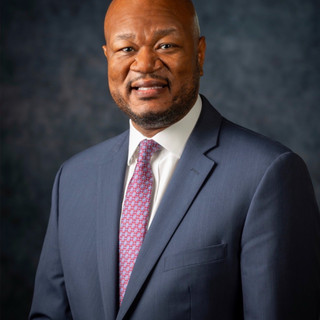
Michael T. Cromartie, Ed.D.


Comments